
Italian Penicillin Soup is a simple, cozy chicken pastina soup that’s easy to make, deeply comforting, and perfect when you want something warm, nourishing, and gentle on the stomach—using everyday ingredients and ready in about 30 minutes.
For more easy chicken recipes, check out our one pan lemon chicken and orzo, Mediterranean chicken lentil soup, easy chicken shawarma, and Mediterranean sheet pan chicken.


Why You'll Love This Italian Penicillin Soup
This Italian Penicillin Soup is the kind of recipe that gives you real comfort with very little effort. It’s warm, cozy, and deeply satisfying, yet light enough to enjoy any day of the week.
Made with small pasta, tender chicken, and a simple broth, this chicken pastina soup is nourishing, family-friendly, and ready in about 30 minutes—perfect when you want something soothing but still part of a balanced, Mediterranean-style way of eating 🍲
In Italy we call this minestra in brodo, and it’s the foundation of Italian home cooking. More than lasagna or pasta al pomodoro, this humble soup—pasta simmered in broth, sometimes with chicken, sometimes without—is what people grow up eating. It was a big part of my childhood. I still remember sitting around the table with my great-grandma Adalgisa, well into her 90s, my cousin next to her, and me at the head of the table, always the hungriest and always adding a mountain of Parmesan. My Nonna Lidia cooked for all of us, rarely sitting down, quietly taking care of everyone ❤️
Traditionally, this Italian comfort soup was made with homemade broth and a whole chicken simmered for hours. Today, this modern version keeps the spirit but fits real life—protein-rich, veggie-forward, and naturally lower in saturated fats, made by gently cooking chicken thighs right in the broth.
Best of all, penicillin soup is flexible. Use orzo like my Nonna Lidia did, swap in any small pasta you love, and make it your own—just like generations of Italian families have always done.
Nico Pallotta
Ingredients
For quantities, see recipe card at the bottom of the page.
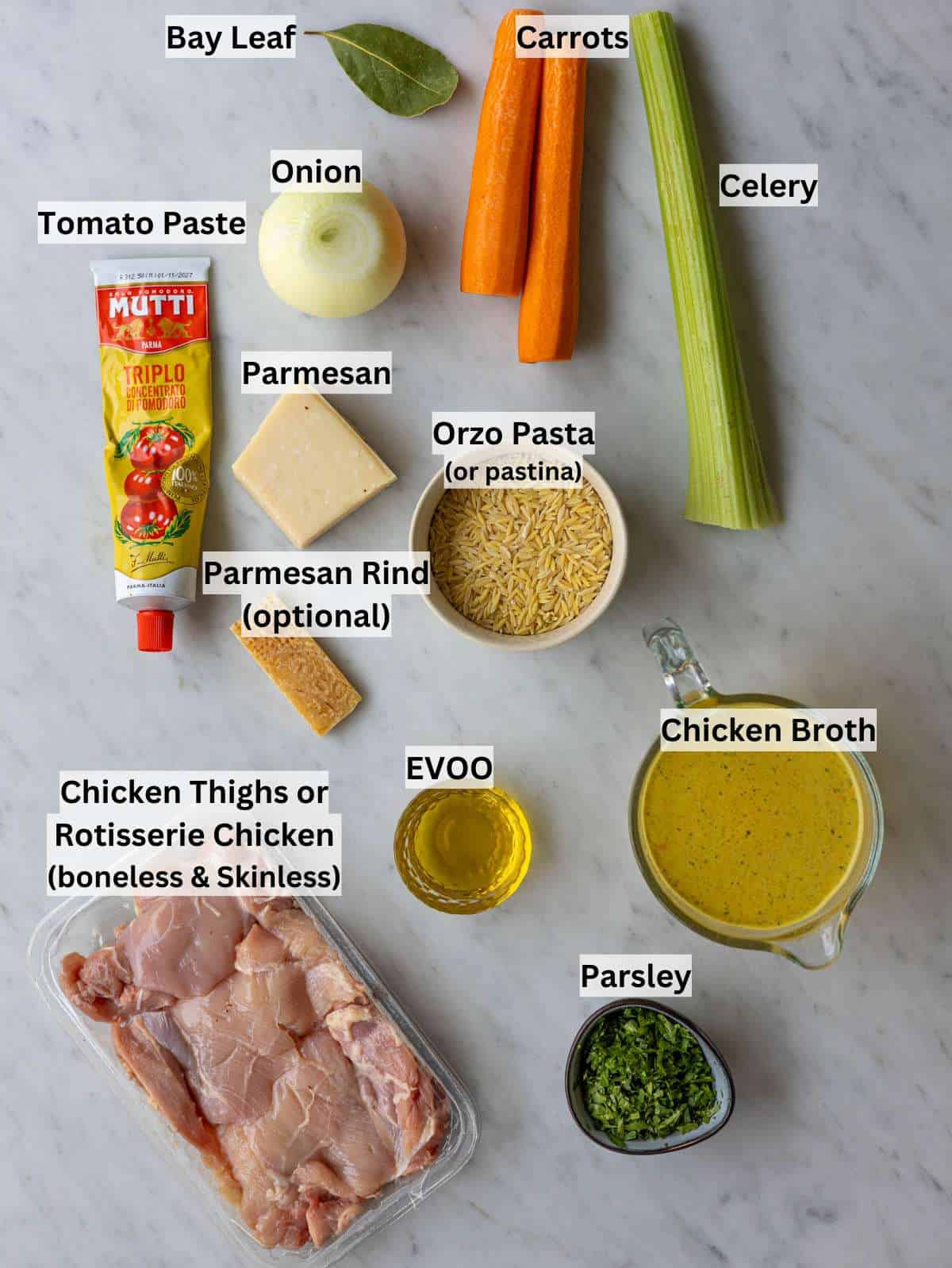
- Small pasta (orzo or pastina): Orzo is my go-to. You can also use acini di pepe, stelline, ditalini, or any tiny pasta you have.
- Chicken (boneless, skinless thighs or breasts): Cooking raw chicken directly in the broth keeps the soup lighter, less salty, and more flavorful. When buying raw chicken, look for packages without added salt or “enhanced” solutions. You can substitute shredded rotisserie chicken for convenience—just know it’s saltier and pricier, so reduce added salt and add the chicken at the end to warm through.
- Chicken broth: Low-sodium broth gives you control and keeps this easy Italian soup recipe balanced. Homemade is great, but good-quality boxed broth works perfectly.
- Onion: Adds sweetness and depth. Shallots or leeks are great substitutes.
- Carrots: Bring natural sweetness and color. Swap with parsnips or fennel for a different vibe.
- Celery: Classic base flavor. If you’re out, a pinch of celery salt works in a pinch.
- Tomato paste (optional): Adds subtle umami without making it tomato-y. Skip it or use a Parmesan rind instead.
- Parmesan cheese + rind: Use rinds only from authentic Parmigiano Reggiano or Grana Padano, which have naturally edible rinds and add deep, savory flavor to the broth. These are Italian cheeses, traditionally imported from Italy. If you don’t have one, skip the rind entirely and just finish the soup with extra grated cheese at the table.
- Bay leaf: Adds background aroma. Thyme or rosemary are good alternatives.
- Parsley: Freshens everything up. Skip if you don't have it.
- Extra-virgin olive oil (for serving): A small drizzle at the end is completely traditional in Italy—this is how minestra is served in Italian homes. Use a good-quality extra-virgin olive oil— it’s the main fat in Mediterranean-style cooking and adds freshness and depth. If the oil tastes flat, bitter, or low quality, it’s better to skip it.
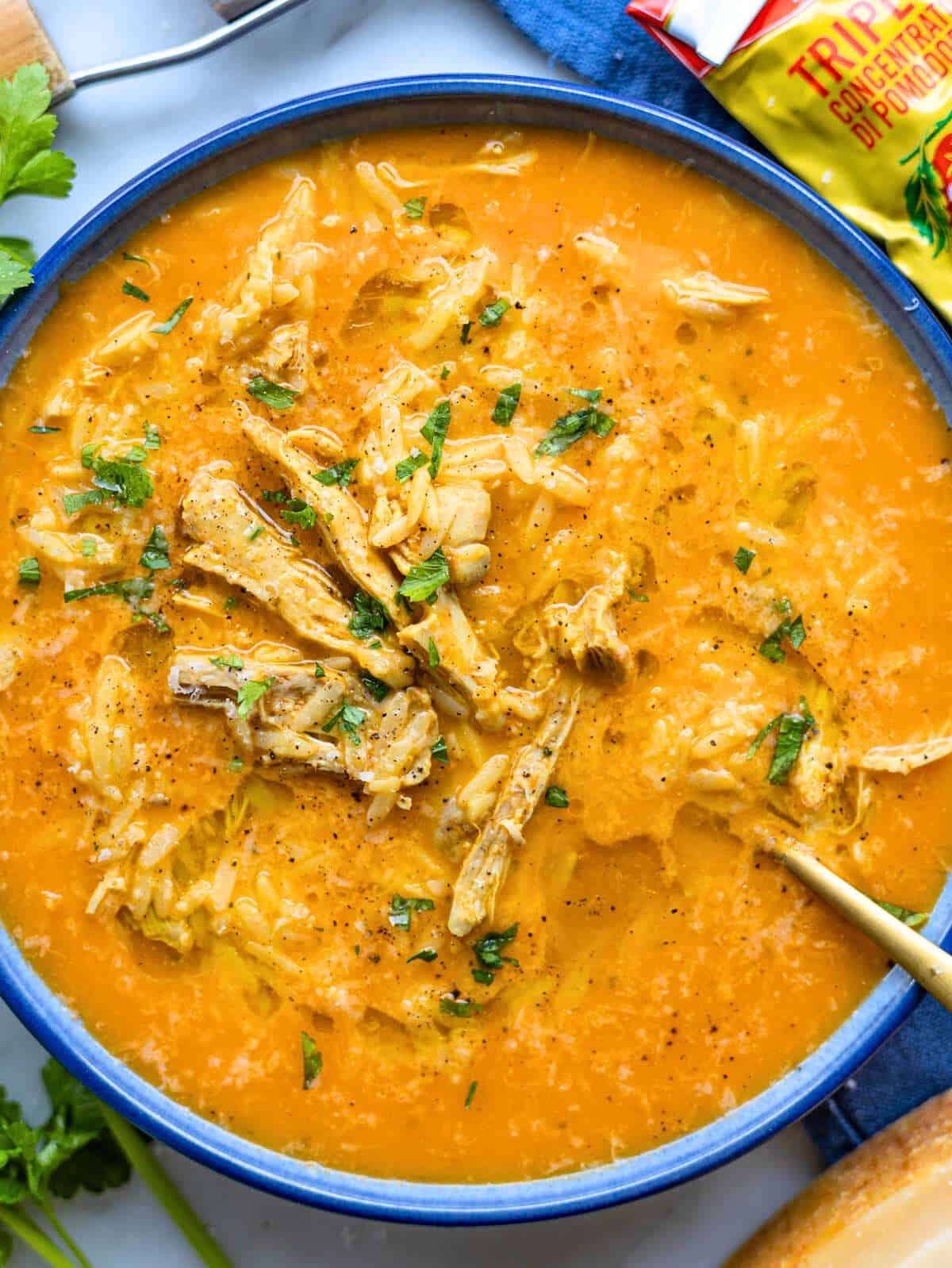
How to Make Italian Penicillin Soup
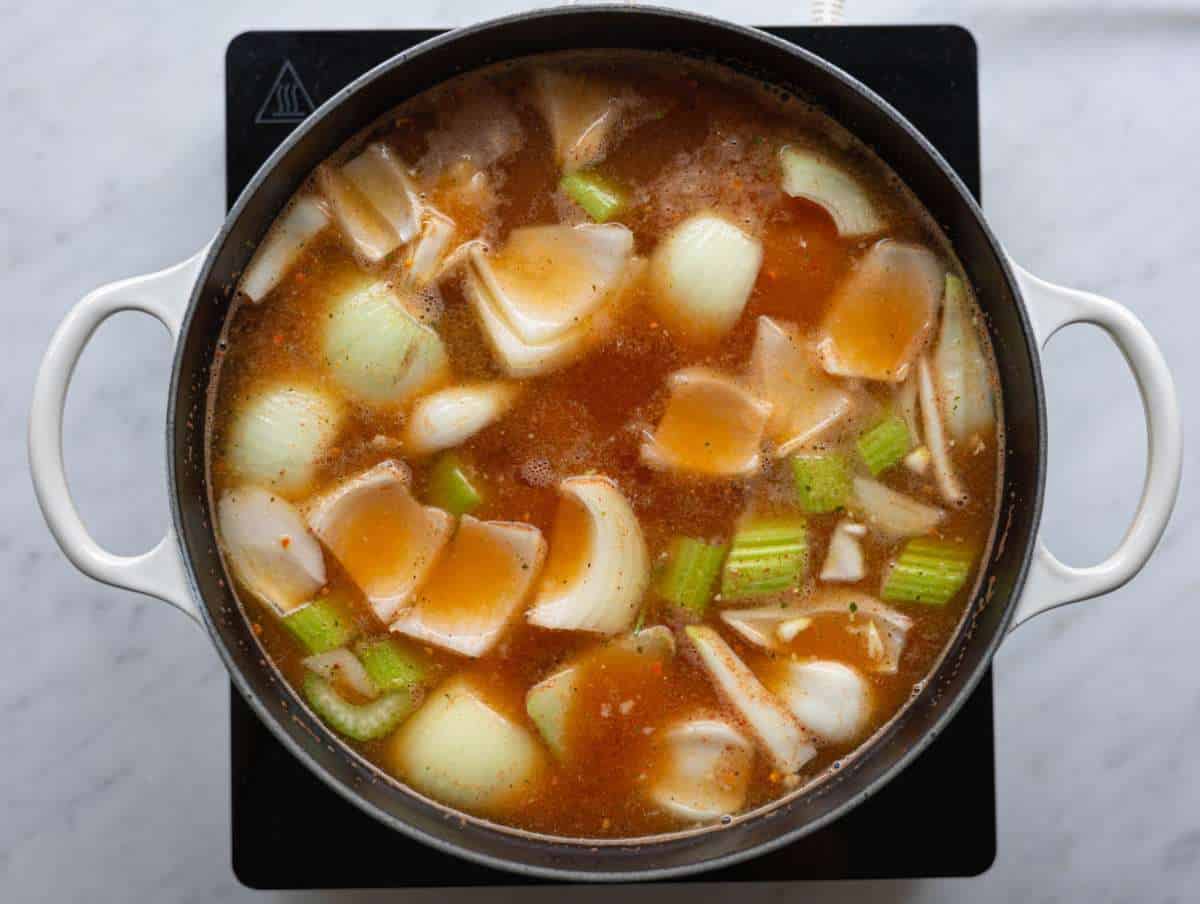
1) Build the broth base
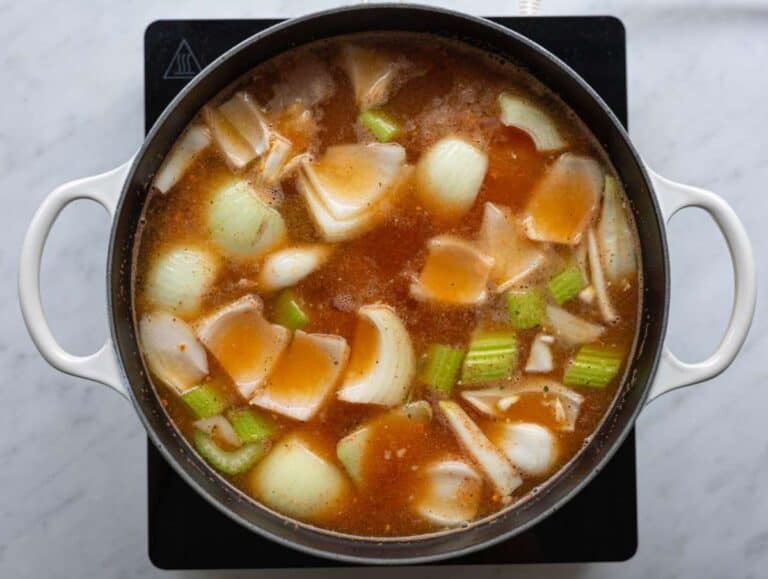
Add the chicken broth to a large pot. Add in roughly chopped onion, carrots, and celery. If you’re using it, stir in the tomato paste. Add the bay leaf and the parmesan rind.
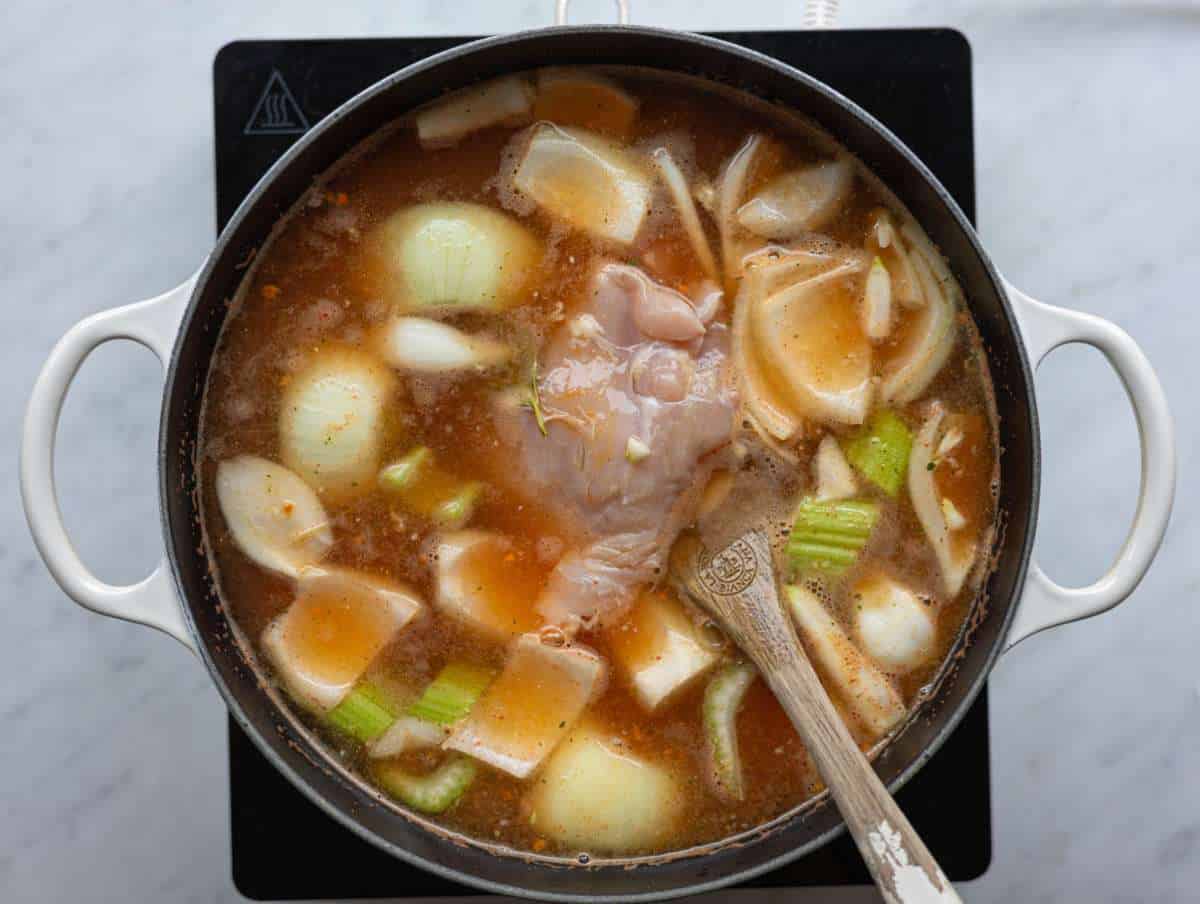
2) Cook the chicken
Add the raw chicken thighs or breasts to the pot. Bring everything to a boil, then lower the heat to a gentle simmer. Cook until the veggies are soft and the chicken is cooked through, about 15–20 minutes, depending on how thick the pieces are.
If using rotisserie chicken, do not add it yet—just simmer the vegetables in the broth.
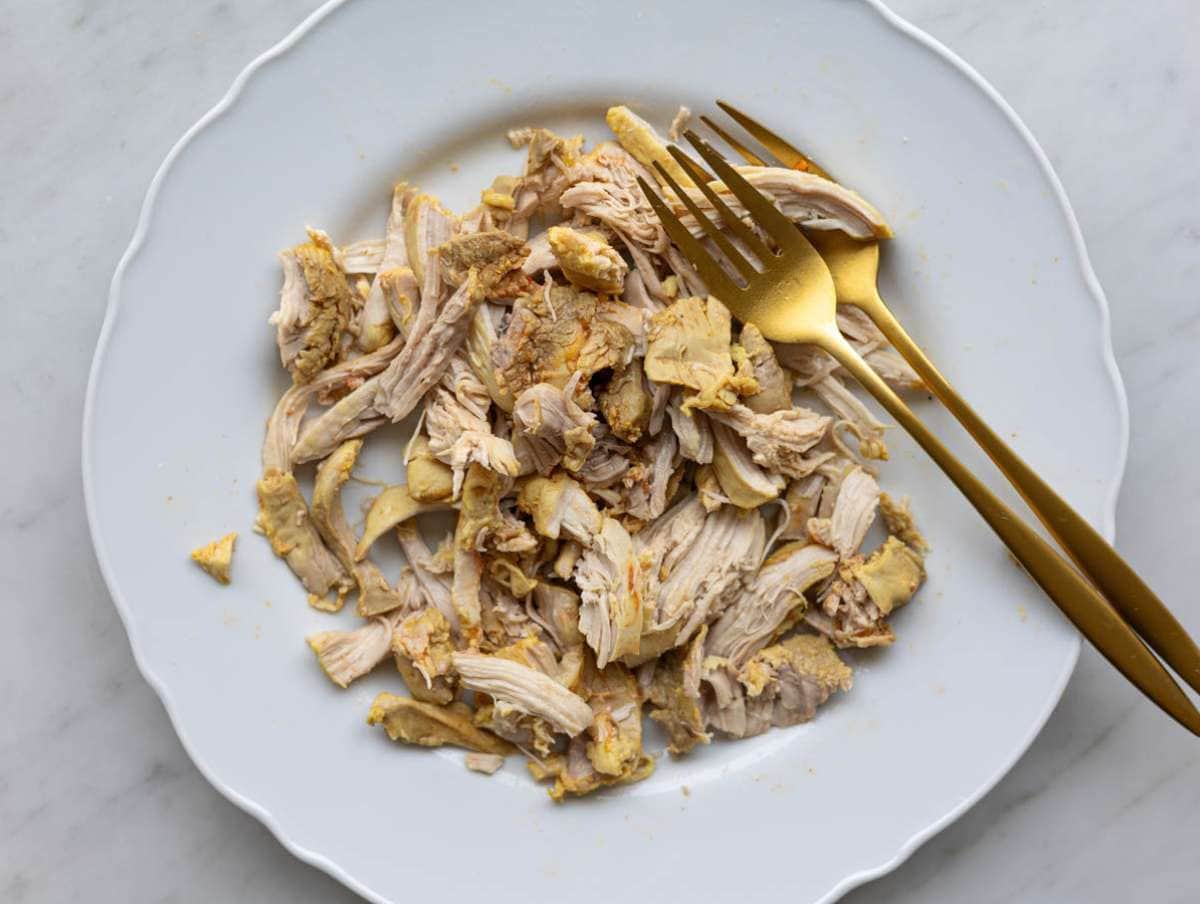
3) Shred the chicken
Lift the cooked chicken out onto a plate and shred it with two forks. Discard the bay leaf and cheese rind. If using rotisserie chicken, simply shred it and set it aside.
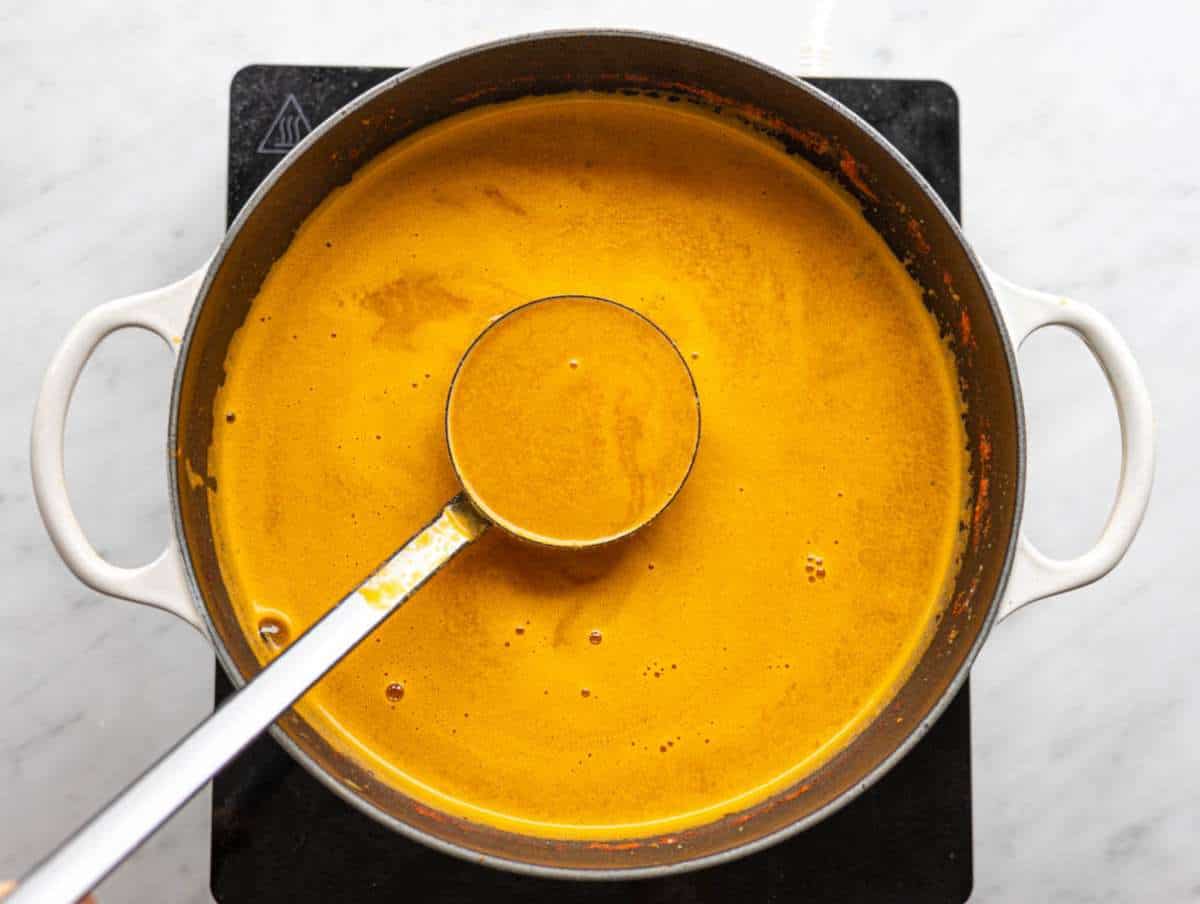
4) Blend the soup (optional, but worth it)
Blend the veggies into the broth until smooth. An immersion blender is easiest. If you use a countertop blender, be careful—the soup is hot. Let steam escape and blend in batches.
5) Cook the pasta
Bring the soup back to a gentle simmer. Stir in the shredded chicken. Add your small pasta and cook until tender, following the package time (about 10 minutes).
If using rotisserie chicken, add it during the last 2–3 minutes of cooking, just to warm it through.

6) Finish and serve
Taste and adjust salt if needed. Ladle into bowls and top with parsley, black pepper, and a generous grating of Parmesan. For the most classic finish, add a small drizzle of good extra-virgin olive oil—this is how minestra is served in Italian homes, and what makes it feel like a true bowl of healing chicken soup.

Tips
- Use raw chicken when you can: Cooking your own chicken directly in the broth keeps the soup less salty, more flavorful, and more budget-friendly than rotisserie chicken. It also gives you better control over seasoning.
- Buy chicken without added salt: Look for raw chicken labeled “no added sodium” or “not enhanced”.
- Go low-sodium with the broth: This lets the flavors of the chicken, vegetables, and Parmesan shine without tasting flat or overly salty.
- Cut the veggies small: Smaller pieces cook faster and blend more smoothly into the broth.
- Don’t skip the Parmesan rind (if you have one): A rind from Parmigiano Reggiano or Grana Padano adds deep, savory flavor without making the soup heavy.
- Blend carefully: Hot soup expands quickly. An immersion blender is the easiest. Let steam escape and blend in batches if using a countertop blender.
- Cook pasta separately if making ahead: Pasta keeps absorbing broth. If you plan leftovers, cook and store it separately for best texture.
- Taste at the end: Salt levels vary depending on broth and chicken, especially if using rotisserie chicken.
- Finish with good olive oil: A small drizzle of high-quality extra-virgin olive oil at the table adds aroma and authenticity—skip it if the oil isn’t good.
Frequently Asked Questions
Very small pasta is traditional—think orzo, acini di pepe, stelline, or ditalini. But in many Italian homes, people also use broken pieces of spaghetti or angel hair that collect at the back of the pasta drawer. As long as the pasta is small enough to eat with a spoon, it works perfectly in this classic pastina in brodo.
It depends on what you want to highlight. Adding chicken to cold broth allows the juices and flavor from the meat to slowly release into the liquid, creating a more flavorful soup. Adding chicken to boiling broth helps the meat keep more of its juices, but the broth itself will be less flavorful. For this recipe, the goal is a rich, comforting soup, so the chicken is added while the broth is still cold.
Yes. Rotisserie chicken is convenient, but it’s usually much saltier and more expensive. If you use it, reduce added salt and add the chicken only at the end to warm through.
Let the soup cool completely, then store it in an airtight container in the fridge for up to 3 days. For best texture, store the pasta separately if possible and combine when reheating.
Absolutely. The broth often tastes even better the next day as the flavors have time to come together. Just keep in mind that pasta keeps absorbing liquid, so for best texture, cook and add the pasta on the day you plan to serve the soup.
No. Traditionally in Italy, this kind of soup is not blended at all—the vegetables are left as they are. Blending is a modern option that creates a smoother, creamier broth without adding cream. It’s completely optional and comes down to personal preference.
Yes, but freeze the soup without the pasta. Add freshly cooked pasta when reheating for the best results.
More Easy Italian Recipes
- Italian tuna pasta
- Creamy broccoli pasta with garlic and parmesan
- Tuna zucchini boats
- Mushroom orzo
- Italian potato salad with tuna
- Italian tuna salad
- Tuna pasta salad
- Italian stuffed peppers
Tried this Penicillin Soup recipe? We'd love to hear what you think! Leave a 🌟 star rating and drop a comment below—we read every single one. 💬💛
Recipe

Italian Penicillin Soup (Chicken Pastina Soup)

Ingredients
- 8 cups chicken broth low-sodium
- 1 pound chicken thighs or breast–boneless skinless–sub 2 to 3 cups shredded rotisserie chicken
- ¾ cup orzo or 4 ounces small pastina pasta
- 1 large onion roughly chopped
- 2 medium carrots roughly chopped
- 1 rib celery roughly chopped
- 2 tablespoons tomato paste optional
- 1 bay leaf
- 1 small piece parmesan rind from Parmigiano Reggiano or Grana Padano - optional
- ½ teaspoon salt or more to taste
- ¼ cup grated parmesan
- 1 handful flat-leaf parsley chopped, for serving
- to taste extra virgin olive oil + cracked black pepper for serving
Instructions
- Start the soup: Add 8 cups chicken broth to a large pot. Add 1 large onion, 2 medium carrots, 1 rib celery (all roughly chopped), 2 tablespoons tomato paste, 1 bay leaf, and 1 small piece parmesan rind (if using).

- Cook the chicken: Add 1 pound chicken thighs to the pot. Season with ½ teaspoon salt, bring to a boil, then lower the heat to a gentle simmer. Cook for 15–20 minutes, until the vegetables are soft and the chicken is fully cooked.Note: If using rotisserie chicken, do not add it yet—just simmer the vegetables in the broth.
- Shred the chicken: Remove the cooked chicken and shred it with two forks. Discard the bay leaf and cheese rind.Note: If using rotisserie chicken, shred it now.
- Blend the broth (optional): Blend the vegetables into the broth until smooth. An immersion blender is easiest. If using a regular blender, blend carefully and let steam escape.
- Cook the pasta: Bring the soup back to a gentle simmer. Add the shredded chicken and ¾ cup orzo. Cook until the pasta is tender, following the package time. If the soup looks too thick, add a little more broth or water until it reaches the consistency you like.Note: If using rotisserie chicken, add it in the last 2–3 minutes to warm it through.
- Serve: Taste and adjust salt if needed. Serve with parsley, black pepper, Parmesan, and a drizzle of good extra-virgin olive oil.


Notes
- Small pasta (orzo or pastina) → Acini di pepe, stelline, ditalini, broken spaghetti, or broken angel hair
- Chicken (boneless thighs or breasts) → Shredded rotisserie chicken added at the end (reduce salt)
- Chicken broth → Homemade broth or good-quality boxed broth
- Onion → Shallots or leeks
- Carrots → Parsnips or fennel
- Celery → A small pinch of celery salt
- Tomato paste (optional) → Omit entirely or use a Parmesan rind
- Parmesan cheese + rind → Use only Parmigiano Reggiano or Grana Padano rinds, or skip and add extra grated cheese
- Bay leaf → Fresh thyme or rosemary
- Parsley → Omit or swap with basil or chives
- Extra-virgin olive oil (for serving) → Skip if you don’t have a good-quality oil
- Use raw chicken when possible for better flavor, less salt, and lower cost
- Check the label on chicken and avoid “enhanced” or added-sodium options
- Choose low-sodium broth so you control the seasoning
- Cut veggies small so they cook fast and blend smoothly
- Use a real Parmesan rind if you have one for extra depth
- Blend hot soup carefully and let steam escape
- Store pasta separately if making ahead
- Taste before salting, especially with rotisserie chicken
- Finish with good olive oil or skip it altogether
- Store leftovers in an airtight container in the fridge for up to 3 days, or freeze the soup without the pasta for up to 2 months and add freshly cooked pasta when reheating.



Leave a Reply